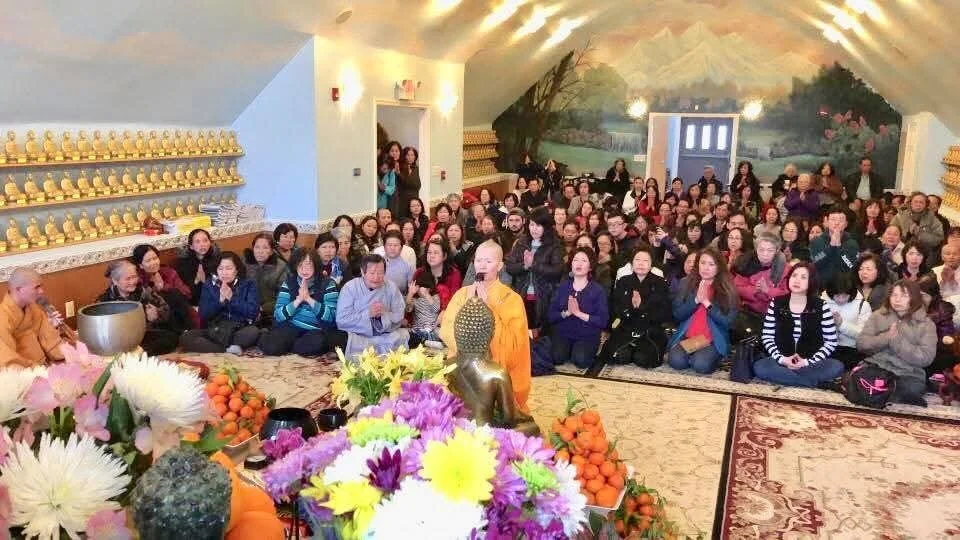
Compassion and awareness grow best when a skilled teacher walks beside you. A book can explain an idea, but a teacher can see how it shows up in your daily life. Personal guidance turns general advice into steps made for you. Through personalized meditation coaching, Venerable Bao Co helps each learner notice the mind, soften self-judgment, and extend kindness to others. This page explains how tailored guidance shapes both qualities and what a learner can expect along the way.
Why Compassion and Awareness Need a Guide
Awareness means seeing your thoughts and feelings as they arise. Compassion means meeting pain, yours or another person's, with care. Both qualities sound simple. Both are hard to practice alone.
Common Traps for Solo Learners
● Self-criticism: Many beginners judge each wandering thought as a failure. A teacher explains that noticing the thought is the practice itself.
● Spiritual bypassing: Some learners use calm feelings to avoid difficult emotions. A teacher kindly points out this pattern before it becomes entrenched.
● Uneven effort: Practice can swing between too much force and too little. A guide helps you find a steady middle path.
Buddhist teaching describes this middle path as a balance between strain and neglect. A teacher helps you find that balance in your own body and breath.
How a Teacher Shapes the Path to Your Needs
Every learner arrives with a different history. One person carries grief. Another carries stress from work. A third wants to study the Dharma in depth. In one-on-one meditation, the teacher listens to these stories before offering any technique.
The First Conversation
The opening session covers goals, daily routine, and experience with meditation. From these details, the teacher chooses a starting practice, such as breath awareness or a body scan.
Ongoing Adjustment
Regular check-ins show what works and what does not. If a practice stirs strong emotion, the teacher slows the pace. If a learner feels ready, the teacher introduces deeper teachings on impermanence and attachment.
Building Compassion Step by Step
Compassion grows through gradual practice. Buddhist teachers begin with kindness toward oneself, since harsh self-judgment blocks warmth for others.
The Four Stages of Loving-Kindness
Self-kindness: Learners repeat gentle phrases such as "May I be at peace." The teacher listens to how the words feel and adjusts them if they ring hollow.
Loved ones: Next, the practice extends the same wish to family and friends. Familiar faces make the feeling easy to find.
Neutral people: Then the learner holds a stranger in mind, such as a neighbor or a shop clerk. This stage widens the circle of care.
Difficult people: Finally, the practice turns toward someone who caused pain. A teacher guides this stage with care, since it can stir strong feelings.
A teacher knows when to advance and when to pause. This judgment safeguards the learner and maintains the integrity of practice.
Growing Self-Awareness Through Honest Feedback
Awareness sharpens when another person reflects what they see. In personalized meditation coaching, the teacher observes posture, breath, and expression during practice. Small habits become visible. A clenched jaw, a held breath, and a hurried pace each indicate a pattern in the mind.
Tools for Daily Life
● Short check-ins: Learners pause three times a day to name their mood in one word. This habit builds a clear record of emotional patterns.
● Reflection notes: A few lines after each session capture what arose. The teacher reviews these notes and points out themes the learner may miss.
● Mindful pauses: Before a difficult conversation, the learner takes three deep breaths. This brief pause creates space between their feelings and response.
What Guidance Looks Like at Inner-Peace Meditation
Venerable Bao Co, an ordained nun in the Tat Bao Huyen Mon tradition, teaches live through video in English, French, and Spanish. Learning in a familiar language helps each teaching reach the heart, which strengthens both compassion and awareness.
Our Guided Offerings
● Welcoming beginner classes: These sessions teach posture, breath, and attention in simple steps.
● Compassionate virtual group classes: Learners practice alongside others and hear how fellow students meet similar struggles.
● Gentle spiritual growth coaching: This private guidance helps learners work through grief, change, and old patterns with patience.
Each format includes short teachings from the Buddha in plain language. Learners can move between formats as their needs change.
Take the Next Step Toward a Kinder, Clearer Mind
Compassion and awareness are not talents. They are skills, and skills improve with patient guidance. A teacher who knows your story can shorten the learning path and ease its difficult moments. Begin with a one-on-one meditation session with Venerable Bao Co in English, French, or Spanish and discover how personal attention shapes a calmer mind and a kinder heart. Book your compassionate, personalized session with Inner-Peace Meditation today.
Frequently Asked Questions
How soon can I expect to feel more compassionate?
Timelines vary. Some learners notice small shifts within a few weeks, such as a softer inner voice or a calmer reply during conflict. Bigger change takes months of steady practice and honest reflection.
Do I need prior experience to begin?
No. Beginners are welcome. The teacher explains posture, breath, and attention in simple steps and sets the pace around your comfort. Experienced practitioners also benefit, since the guidance adapts to every stage of learning.
How is private guidance different from a group class?
Group classes follow a shared plan for everyone. Private guidance centers on your goals, questions, and pace. The teacher gives full attention to your habits and adjusts each session as your understanding develops.
Can guided meditation serve as a substitute for professional mental health care?
No. Meditation builds awareness and kindness, yet it does not replace therapy or medical treatment. Serious grief, trauma, or persistent distress call for a licensed professional, and meditation can complement that care.
What do I need for an online live session?
You need a phone, tablet, or laptop, a stable internet connection, and a quiet space. A chair works as well as a cushion. Keeping your camera off is acceptable if you prefer privacy.